
Piles (haemorrhoids), anal fissures and fistulas are common, treatable conditions — yet many people delay care out of embarrassment. Early consultation usually means simpler treatment.
Dr. Jayanth H offers the full range of care, from diet and medicines for early disease to minimally invasive and laser procedures for advanced piles, chronic fissures and simple or complex fistula-in-ano, in a private and respectful setting.
Conditions & procedures
- Haemorrhoids (piles) — all grades
- Acute and chronic anal fissure
- Fistula-in-ano — simple and complex
- Perianal abscess
- Pilonidal sinus
When should you see a surgeon?
- Bleeding during or after passing stools
- A lump or swelling near the anus
- Sharp pain while passing stools that lasts for some time afterwards
- Pus or discharge near the anus, or a painful swelling with fever
How Dr. Jayanth H treats it
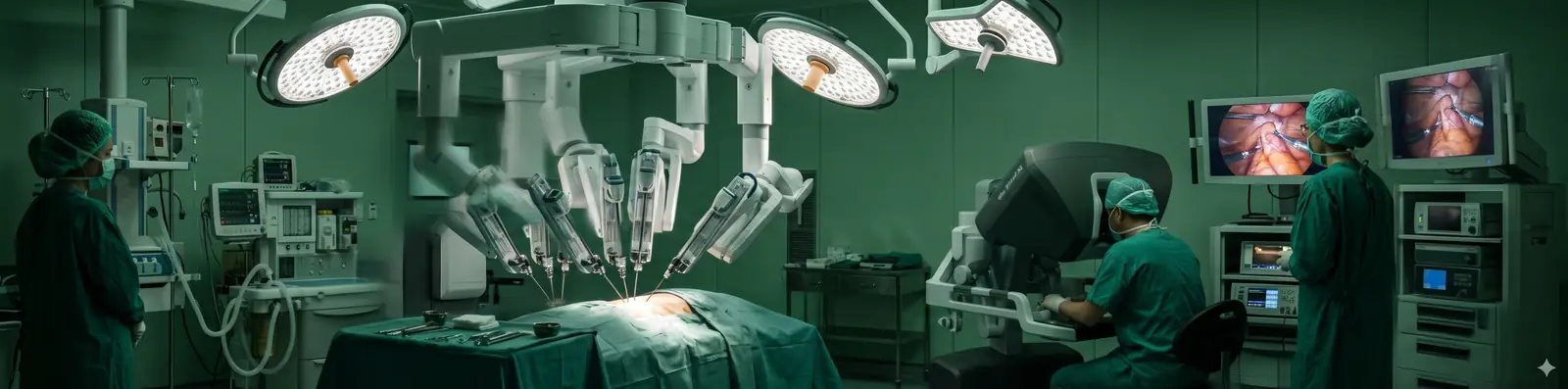
Treatment is chosen by grade and type — options include laser haemorrhoidoplasty, stapled haemorrhoidopexy, laser or sphincter-sparing procedures for fistula, and lateral internal sphincterotomy or medical management for fissure. Laser and stapled techniques usually mean less pain and a quicker return to work.
Recovery
Most procedures are day-care or need a one-night stay. Fibre-rich diet, plenty of water and warm sitz baths speed healing; most people return to work within a few days to a week.
Frequently asked questions
Is laser treatment for piles painful?
Laser procedures are done under anaesthesia and generally cause less post-operative pain than conventional surgery, with faster return to normal activity.
Will a fissure heal without surgery?
Many acute fissures heal with stool softeners, diet changes and ointments. Chronic fissures that do not heal in 6–8 weeks may need a minor procedure.
Is rectal bleeding always piles?
No. Bleeding can also come from fissures, polyps or, rarely, cancer. Persistent bleeding, especially after 40 or with weight loss or change in bowel habit, should be examined by a specialist.
This page is general information to help you understand your options and is not a substitute for a consultation. Treatment is always individualised after examination and investigations.