
Some abdominal problems cannot wait — appendicitis, a perforated ulcer or intestinal obstruction need prompt diagnosis and surgery to prevent serious complications.
Dr. Jayanth H manages acute surgical emergencies at Fortis Hospital Bannerghatta Road and Gleneagles BGS Hospital Kengeri, using laparoscopy whenever it is safe.
Conditions & procedures
- Acute appendicitis and appendicular abscess (laparoscopic appendectomy)
- Perforated gastric or duodenal ulcer, intestinal perforation
- Intestinal obstruction
- Obstructed or strangulated hernia
- Mesenteric ischaemia
- Abdominal trauma
When should you see a surgeon?
- Pain that starts around the navel and moves to the lower right abdomen (appendicitis)
- Sudden, severe abdominal pain with a rigid, tender belly
- Vomiting with a swollen abdomen and inability to pass gas or stools
- Abdominal pain with fever, fainting or low blood pressure
How Dr. Jayanth H treats it
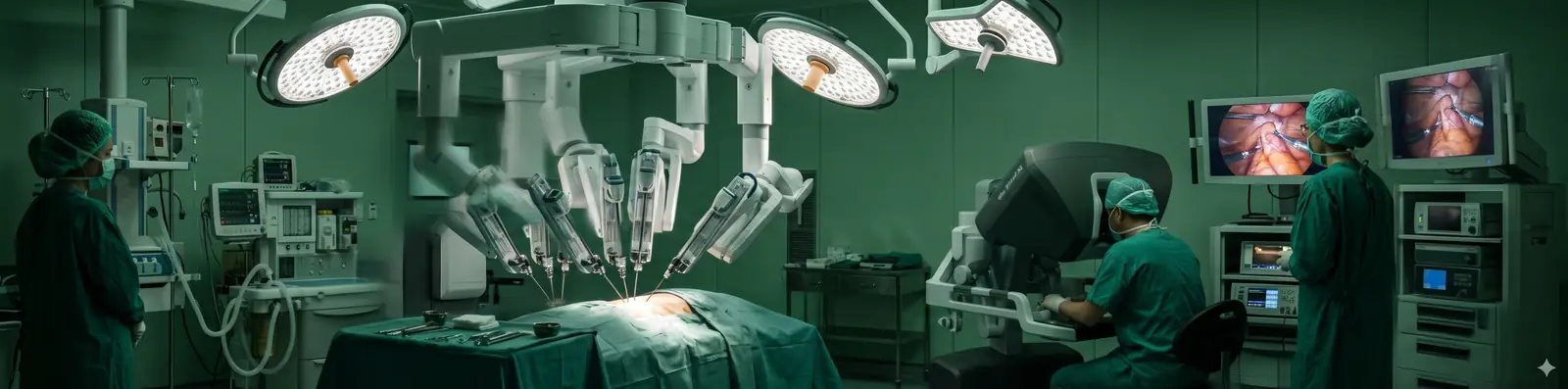
After rapid assessment with blood tests and scans, surgery is done laparoscopically where possible, which often means less pain and a quicker recovery even in emergencies.
Recovery
After a straightforward laparoscopic appendectomy most patients go home in 1–2 days. Recovery after other emergency operations depends on the underlying problem.
Frequently asked questions
What should I do if I suspect appendicitis?
Do not take strong painkillers or laxatives at home. Go to the emergency department of the nearest hospital, or call +91 99808 04636 for guidance.
Can appendicitis be treated with antibiotics alone?
In selected mild cases antibiotics may be tried, but there is a chance of recurrence. Laparoscopic appendectomy remains the definitive treatment for most patients.
This page is general information to help you understand your options and is not a substitute for a consultation. Treatment is always individualised after examination and investigations.