
Written & medically reviewed by Dr. Jayanth H, MBBS, MS (General Surgery), DrNB (Surgical Gastroenterology) · Updated October 2026
A hernia is a bulge that appears when part of the intestine or fatty tissue pushes through a weak spot in the abdominal wall. It does not heal on its own and usually grows slowly over time, so a planned repair is the safest way to treat it.
Dr. Jayanth H repairs all types of hernia — from a first-time groin hernia to large, complex and recurrent hernias that need abdominal wall reconstruction — using laparoscopic (keyhole) and robotic techniques wherever suitable, so most patients walk the same day and return to routine work quickly.
Conditions & procedures
- Inguinal (groin) hernia
- Umbilical & paraumbilical hernia
- Epigastric hernia
- Incisional hernia (after a previous operation)
- Hiatus hernia & GERD (anti-reflux surgery)
- Recurrent and complex hernias, abdominal wall reconstruction
When should you see a hernia specialist?
- A swelling in the groin or around the navel that increases on coughing or standing
- Dragging pain or heaviness, especially by the end of the day
- A bulge near an old surgical scar
- Heartburn, acid reflux or regurgitation that persists despite medicines (hiatus hernia)
- Emergency: a hernia that becomes painful, hard and cannot be pushed back, with vomiting — seek care immediately
How Dr. Jayanth H treats it
Most hernias are repaired laparoscopically (TAPP / TEP / IPOM) or robotically through 3 small cuts, with a mesh placed to reinforce the weak area. Keyhole repair typically means less pain, a shorter hospital stay and an earlier return to work than open surgery. Open repair is still the right choice in selected situations, and Dr. Jayanth will explain which option suits you after examining you and reviewing any scans.
Laparoscopic vs open vs robotic hernia repair
- Laparoscopic (keyhole) repair — TAPP or TEP: 3 small cuts and a mesh placed from inside the abdominal wall. Both sides can be repaired in the same sitting, usually with less pain and a quicker return to work.
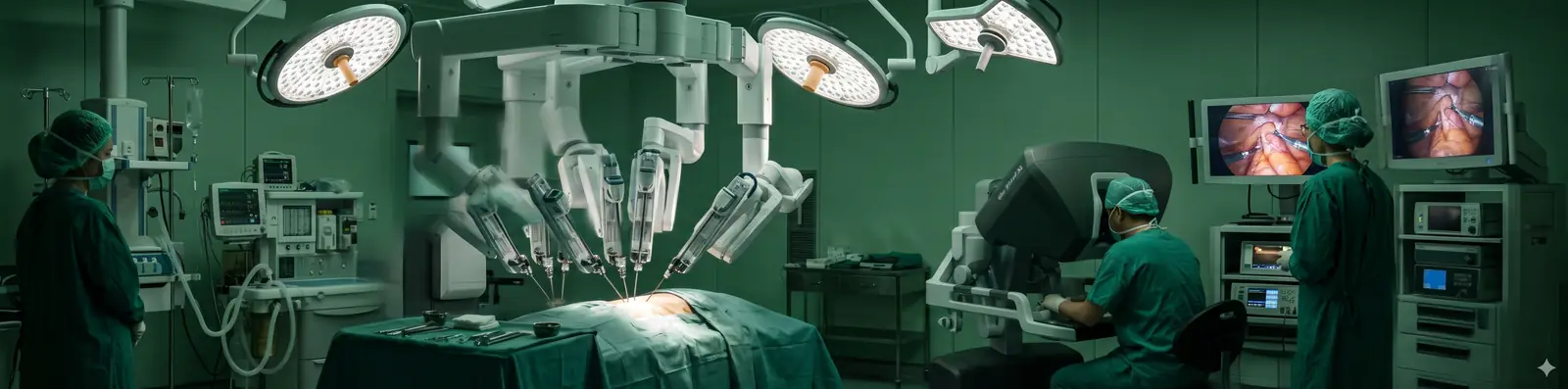
- Robotic repair: the same keyhole principle with magnified 3D vision and wristed instruments — particularly helpful for large ventral and incisional hernias, recurrent hernias and abdominal wall reconstruction.
- Open repair (Lichtenstein / open mesh repair): one cut directly over the hernia, possible under spinal or local anaesthesia — a good option for some elderly patients or those not fit for general anaesthesia.
Is it safe to delay hernia surgery?
A small, painless groin hernia in a man can sometimes be watched for a while, but most hernias slowly enlarge and become symptomatic, and repair becomes more complex the longer it is left. Groin hernias in women (often femoral hernias) and hernias that are painful or hard to push back should be repaired early.
The real danger of waiting is obstruction or strangulation — the bowel gets trapped and its blood supply is cut off. This is an emergency that needs immediate surgery, so a planned repair at a time that suits you is almost always the safer path.
Preparing for hernia surgery
- Routine blood tests and an ECG; an ultrasound or CT scan for incisional, recurrent or unclear hernias
- Stop smoking and get diabetes, cough and constipation under control — this lowers the chance of recurrence
- Tell your surgeon about blood thinners and other regular medicines; some need to be paused
- No food for about 6 hours before surgery, and have someone to take you home
Recovery
After a routine laparoscopic hernia repair, most patients go home the same day or the next morning, resume light activity within a few days and avoid heavy lifting for about 4–6 weeks. You will get a personalised plan at discharge.
- Day of surgery: Walk within a few hours. Most patients go home the same evening or the next morning.
- First week: Mild soreness controlled with tablets, daily walking, and desk work often possible within 3–7 days.
- Weeks 2–4: Back to most daily activities; driving once you can brake firmly without pain, usually after 1–2 weeks.
- Weeks 4–6: Gym, heavy lifting and strenuous work as advised at your follow-up visit.
Hernia surgery cost in Bengaluru — what decides it
- Type and size of the hernia, and whether one or both sides need repair
- Technique — open, laparoscopic or robotic (robotic repair costs more)
- Type of mesh and fixation used
- Hospital and room category, and the length of stay
- Other health conditions (diabetes, heart or lung disease) that need extra care
Once the right treatment is confirmed at your consultation, the hospital can give you a package estimate before you decide.
Hernia repair is a planned, medically necessary operation covered by most health insurance policies. Fortis Bannerghatta Road and Gleneagles BGS Kengeri offer cashless treatment with most insurers and TPAs, subject to pre-authorisation. Many policies have a waiting period for hernia, so check your policy document or ask the hospital insurance desk.
Consult a hernia specialist near you in Bengaluru
Dr. Jayanth H sees patients for hernia surgery at three places across South and West Bengaluru — choose whichever is closest to you.
- The Gut Care – Docube ClinicMonday – Saturday, 6:00 PM – 8:00 PM · convenient for JP Nagar, Jayanagar, BTM Layout, Bannerghatta Road, Banashankari
- Fortis Hospital, Bannerghatta Road5:00 PM – 6:00 PM · convenient for Bannerghatta Road, Bilekahalli, Arekere, Hulimavu, BTM Layout
- Gleneagles BGS Hospital, Kengeri10:00 AM – 4:00 PM · convenient for Kengeri, RR Nagar, Uttarahalli, Rajarajeshwari Nagar, Banashankari
What patients say about hernia surgery with Dr. Jayanth H
My mother had a slightly complex hernia and we were referred to Dr.Jayanth H by a known person. Based on that, we initially visited the doctor for consultation and then were explained about the laparoscopic hernia surgery. It’s been a month after surgery and my mother is doing pretty well now. I’d recommend the doctor if there’s a need as he is very patient and knowledgeable. He is also patient when explaining the surgery to the patient and also during follow up visits.
I consulted Dr. Jayanth for an umbilical hernia, and he performed a laparoscopic hernia repair. My surgery and stay in the hospital went smoothly. Dr. Jayanth is very approachable, attentive, and caring throughout the treatment. I would like to thank Dr. Jayanth for his excellent care and would highly recommend him to anyone facing similar issues.
I consulted Dr. Jayanth for my grandfather, who had undergone open abdominal surgery a year ago and subsequently developed a hernia at the previous wound site, along with bilateral inguinal hernia. Dr. Jayanth was very considerate, approachable, and attentive throughout our consultations. He is highly skilled and knowledgeable, and he explained the condition and treatment options clearly. He performed laparoscopic surgery, and my grandfather was discharged after just one day. The recovery period was very smooth. I would highly recommend Dr. Jayanth to anyone facing similar issues. His expertise and care could provide the permanent solution you are looking for.
My uncle underwent robotic hernia surgery by Dr. Jayanth. He was very professional and took time to explain in detail about the condition, surgery and post operative care. Whole process was smooth and the discharge was done on the very next day. We are satisfied with the overall experience and I thank doc on behalf of our family.
Frequently asked questions
Can a hernia go away without surgery?
No. A hernia is a defect in the muscle wall and does not close on its own. Belts can hold it in temporarily but do not cure it. Planned surgery avoids the risk of the hernia getting stuck (obstructed or strangulated), which needs emergency surgery.
Is laparoscopic hernia surgery better than open surgery?
For most patients, laparoscopic or robotic repair means less pain, smaller scars and faster recovery, and it allows both sides to be repaired at once. The best approach depends on the hernia type, size, previous surgery and your overall health.
Where can I consult Dr. Jayanth H for hernia surgery?
At Fortis Hospital Bannerghatta Road, Gleneagles BGS Hospital Kengeri, and The Gut Care clinic in JP Nagar, Bengaluru. Call +91 99808 04636 or book online.
Which doctor should I see for a hernia?
Hernias are treated by surgeons — a general surgeon or a surgical gastroenterologist (GI surgeon). A GI surgeon with advanced laparoscopic and robotic training is especially useful for recurrent hernias, large incisional (post-operative) hernias, hiatus hernias and patients who have had previous abdominal surgery.
How much does hernia surgery cost in Bengaluru?
The cost depends on the type and size of the hernia, whether one or both sides need repair, the technique (open, laparoscopic or robotic), the mesh used, the hospital and room category, and the length of stay. Once the right operation is confirmed at consultation, the hospital can give you a package estimate. Hernia surgery is covered by most health insurance policies.
Can I walk after hernia surgery?
Yes. Most patients walk within a few hours of a laparoscopic hernia repair and go home the same day or the next morning. Walking is encouraged from day one; only heavy lifting and strenuous exercise are avoided for about 4–6 weeks.
Will my hernia come back after surgery?
After a good mesh repair the chance of a groin hernia coming back is low. The risk is higher with large or recurrent incisional hernias, smoking, obesity, uncontrolled diabetes, chronic cough or constipation, and lifting heavy weights too early — which is why these are addressed before and after surgery.
Can hernia surgery be done without general anaesthesia?
Open groin hernia repair can be done under spinal or local anaesthesia, which suits some elderly patients or those with heart or lung problems. Laparoscopic and robotic repairs need general anaesthesia. The safest option for you is decided after your check-up.
This page is general information to help you understand your options and is not a substitute for a consultation. Treatment is always individualised after examination and investigations.